
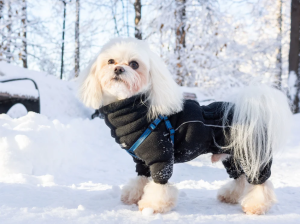
Winter in Hamilton, Ontario, brings cold temperatures, snow, ice, and road salt—all of which can be tough on your dog’s coat, skin, and paws. While many pet owners think grooming is less important in winter, the opposite is true.
Proper winter grooming helps prevent matting, dry skin, cracked paws, and discomfort while keeping your dog clean, warm, and healthy throughout the season.
This guide shares essential winter dog grooming tips every Hamilton pet ownershould know, written with expert insight and local experience.
Winter dog grooming is essential to prevent dry skin, matting, paw damage, and coat problems caused by cold weather, snow, and salt.
Why Winter Grooming Is Important for Dogs
Cold weather affects dogs differently depending on their coat type, age, and lifestyle. Without proper grooming, winter can cause:
-
Dry, flaky skin
-
Painful matting
-
Salt burns on paws
-
Overgrown nails
-
Ear infections from trapped moisture
-
Increased discomfort indoors
Regular grooming keeps your dog protected from harsh winter conditions while maintaining overall health.
Essential Winter Dog Grooming Tips
1. Don’t Skip Grooming Appointments
Even though dogs may grow longer coats in winter, grooming is still necessary.
Why it matters:
-
Prevents matting under longer fur
-
Keeps skin healthy
-
Maintains cleanliness during muddy and snowy walks
Most dogs should be groomed every 4–8 weeks during winter.
2. Keep the Coat Clean and Tangle-Free
Snow, slush, and moisture can cling to your dog’s coat, leading to mats—especially behind ears, legs, and belly.
Tip:
Regular brushing at home and professional grooming prevent painful tangles and skin irritation.
3. Protect Your Dog’s Paws
Hamilton streets are often treated with salt and ice melt products, which can burn paw pads.
Winter paw care includes:
-
Trimming fur between paw pads
-
Moisturizing dry pads
-
Cleaning paws after every walk
-
Checking for cracks or redness
4. Avoid Shaving the Coat Too Short
A dog’s winter coat helps regulate body temperature.
What to do instead:
-
Choose a tidy trim rather than a short cut
-
Focus on hygiene areas like paws, face, and belly
Professional groomers know how to balance warmth and cleanliness.
5. Moisturize Dry Winter Skin
Indoor heating and cold air can dry out your dog’s skin.
Signs of dry skin:
-
Flaking
-
Itching
-
Dull coat
Solution:
Use moisturizing shampoos, conditioners, and limit baths to professional grooming sessions when possible.
6. Keep Nails Trimmed
Dogs are often less active in winter, which means nails don’t wear down naturally.
Overgrown nails can:
-
Cause pain
-
Affect posture
-
Lead to joint stress
Regular nail trimming is essential throughout winter.
7. Pay Extra Attention to Ears
Moisture from snow and baths can get trapped in your dog’s ears.
Why this matters:
-
Increases risk of ear infections
-
Causes discomfort and odor
Professional ear cleaning helps prevent winter ear problems.
Winter Grooming by Coat Type
Long-Haired & Curly Coats
-
More prone to matting
-
Require frequent brushing
-
Benefit from professional trims
Short-Haired Dogs
-
Still need bathing and skin care
-
Shed year-round
-
Need paw and nail maintenance
Double-Coated Breeds
-
Require deshedding, not shaving
-
Proper brushing helps maintain insulation
Why Hamilton Dogs Need Special Winter Care
Hamilton winters include:
-
Freezing temperatures
-
Snow and slush
-
Salted sidewalks
-
Damp conditions
These elements make winter grooming especially important for local dogs to avoid skin, coat, and paw issues.
Signs Your Dog Needs Winter Grooming
Your dog may be overdue for grooming if you notice:
-
Matted or clumped fur
-
Dry, itchy skin
-
Cracked paw pads
-
Strong odor
-
Excessive shedding indoors
-
Nails clicking on the floor
Frequently Asked Questions
How often should I groom my dog in winter?
Most dogs should be groomed every 4–8 weeks, depending on coat type.
Should dogs be bathed less in winter?
Bathing frequency should be controlled, but professional grooming with moisturizing products is recommended.
Is winter grooming necessary for short-haired dogs?
Yes. Short-haired dogs still need skin, nail, and paw care.
Should I shave my dog in winter?
No. Shaving removes natural insulation and can make dogs colder.
Can grooming help with winter allergies?
Yes. Grooming removes salt, allergens, and debris from the coat.
Winter dog grooming is essential—not optional—especially in Hamilton, Ontario.
With the right grooming routine, your dog can stay warm, clean, comfortable, and healthy all winter long.
Regular grooming prevents matting, protects paws, improves skin health, and keeps your furry friend feeling their best—even during the coldest months.